
All about heat networks: your rights and how to raise a dispute.

What is a heat network?
A heat network is best thought of as a communal or collective method for receiving heating and hot water. A network of pipes connects people on the same network together, so they receive heat from the same source.
There are two main types of heat networks:
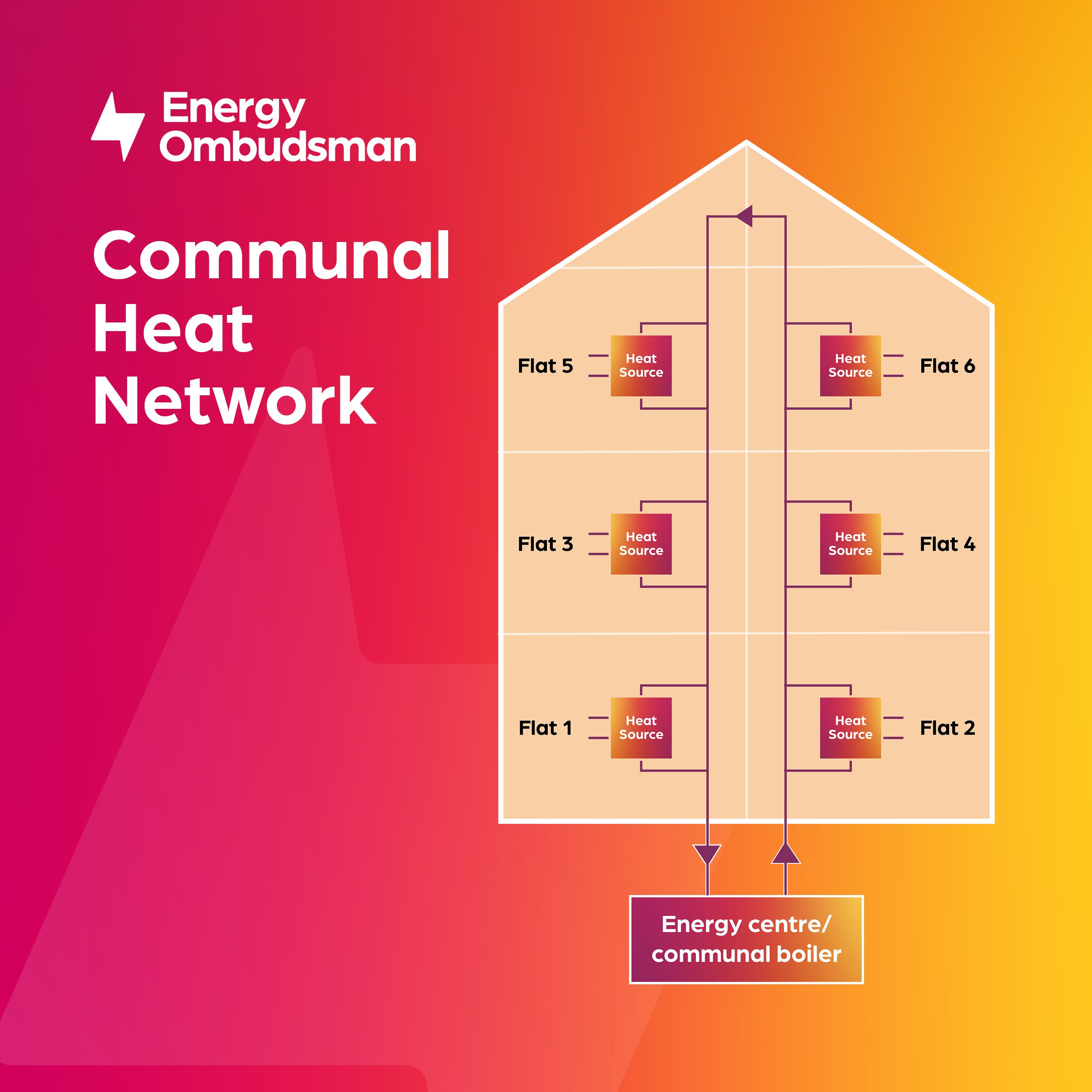
- Communal heat networks are the most common. This is where a single building or site – most commonly a block of flats - is supplied with hot water and heating from a mains source that only supplies people in the building.
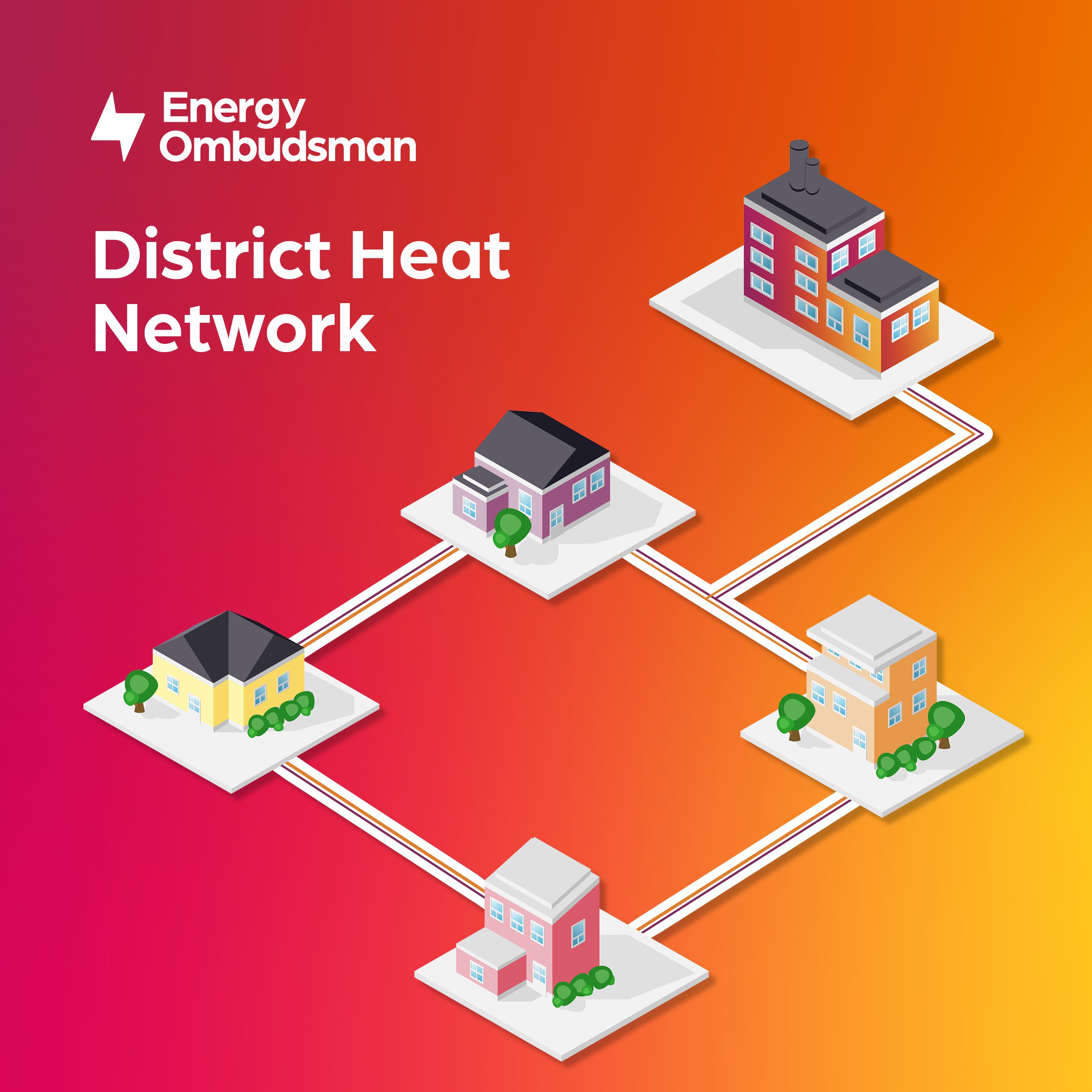
- District heat networks work in a similar way but the network supplies heat and hot water to multiple buildings in a local area. They may also use different sources to provide these services.
Who is responsible for my heat network?
There are estimated to be around 14,000 heat networks around the UK. These are supplied by ‘heat network suppliers’ who are in charge of infrastructure and metering. In theory, many different types of businesses or organisations can be your heat network supplier, though more often than not, you’ll find that this is a housing provider, like a Local Authority, Housing Association or private landlord.
If you rent your property, the easiest way to identify your heat network supplier is to ask your landlord. If there’s a residents’ association, they can also tell you who’s responsible. Residents’ associations are also useful if your neighbours are also experiencing similar problems with the heat network. It can sometimes be easier to work together to get problems resolved. You can also check your bill or heating supply agreement, which should specify who the heat network supplier is.
Energy Ombudsman has a list of heat networks here. But don’t worry if you can’t find your heat network supplier as they may not be registered with us yet. You can also contact us if you aren’t sure who your heat network is.
Why is my heating and hot water provided by a heat network?
If you move into a property with a heat network, it’s understandable if you feel a little confused about how your bill is calculated. You may find your heating charges are part of your service charge or rent. Alternatively, you may receive a separate bill. Then there are charges for the electricity you use too.
There are some advantages to being on a heat network. A wide variety of sources can be used to provide the heating and hot water. This means heat networks can often be much more eco-friendly than individual energy supplies.
Though many people associate heat networks with older housing stock, many new-build flats and properties are now being built incorporating the heat network model due to their efficiencies.
What are my rights if I want to complain about a heat network?
Heat networks will be regulated by Ofgem from January 2026 in England, Scotland and Wales. But from 01 April 2025, consumers are able to raise a dispute about heat networks with Energy Ombudsman.
First, you must contact your heat network supplier to raise a complaint. It can be helpful to put your complaint in writing, setting out what you are unhappy with and what you’d like to be done in order to put things right, including any compensation you might be seeking.
If you need help, speak to your residents’ association or contact Citizens Advice. You can also get help by contacting us.
The heat network supplier has eight weeks to sort out the problem. If they don’t resolve things within eight weeks, or they issue a deadlock letter, you can then raise your dispute with Energy Ombudsman.
Energy Ombudsman is a free, fair and impartial alternative to the courts. We’ll investigate your dispute and then write to you with a decision that takes into account the rules and regulations, but also what’s ‘fair and reasonable’. We’ll investigate and respond to you in simple, straightforward terms.
What if my case was before 1 April 2025?
We can only consider disputes if you became aware of the problem on or after 1 April 2025. Issues that were identified before 1 April 2025 are outside of our remit
The exceptions are disputes that relate to Heat Networks who were members of Heat Trust prior to 1 April 2025 and the dispute is specifically about Heat Trust scheme rules or are about certain issues relating to the Energy Bills Relief Scheme (EBRS) / Energy Bills Discount Scheme (EBDS), as these matters were under our remit prior to 1 April 2025.




Ready to raise your dispute with us?